Essential Men's Wardrobe Basics for Every Season
A foundational guide to heavyweight cotton tees, Oxford cloth button-downs, selvedge denim, and weather-ready outerwear that anchor a year-round menswear closet.

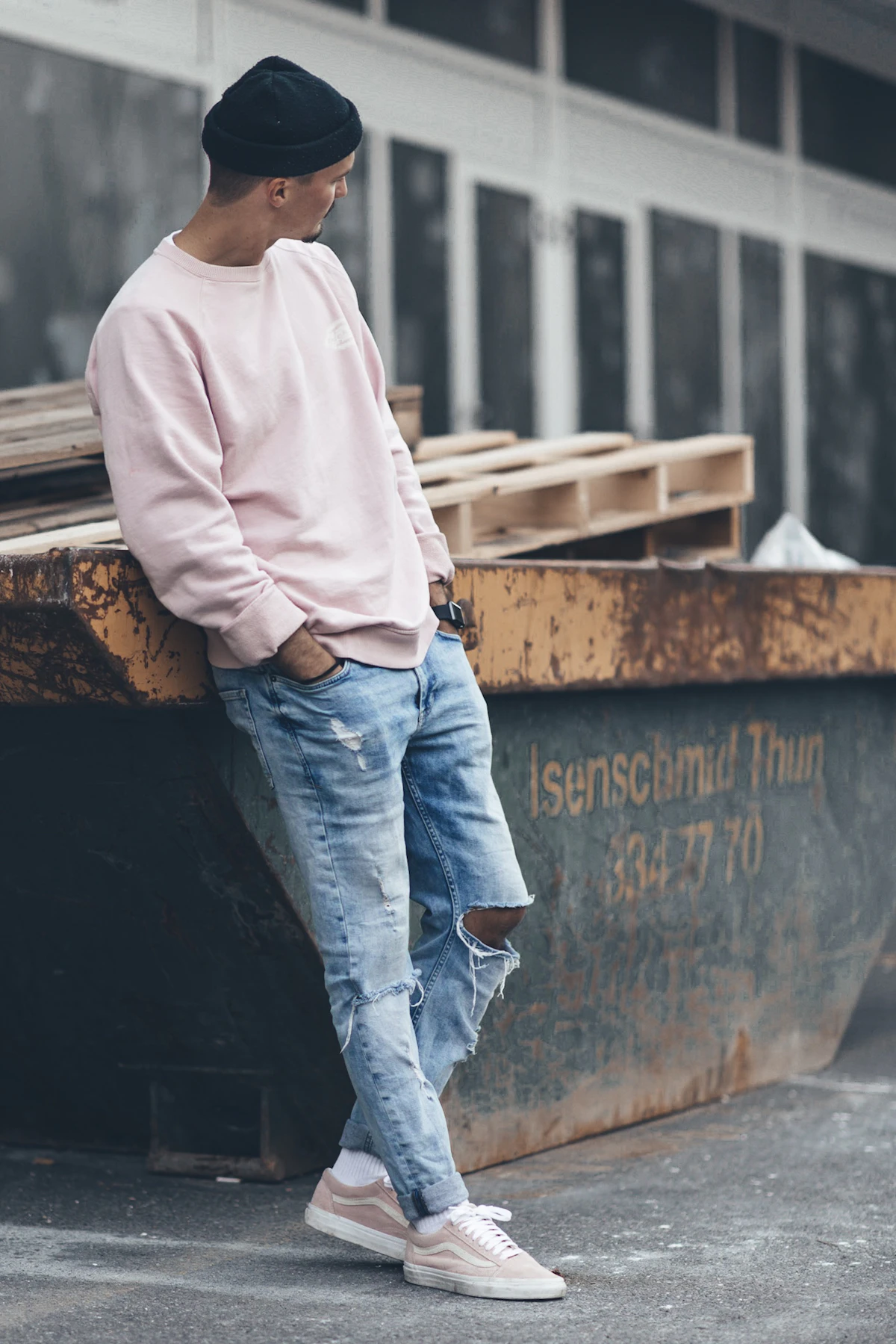
A dependable menswear rotation rarely comes from chasing seasonal micro-trends. Instead, the best-dressed wardrobes are anchored by utilitarian garments initially designed for military, collegiate, or industrial durability—pieces that soften with age, hold their shape through repeated wear, and transition effortlessly across shifting climates. When your foundational garments share a cohesive palette and honest textile weights, getting dressed becomes an exercise in texture and proportion rather than daily guesswork.
At The Fashion Edit, we view a wardrobe not as disconnected seasonal capsules, but as an interconnected system. A crisp white T-shirt that stands alone with chino shorts in July becomes the base layer beneath a brushed flannel overshirt in October and a heavyweight merino crewneck in January. Mastering men’s fashion starts with understanding how fabric weight, weave structure, and cut dictate a garment’s longevity.
The Upper-Body Anchors: Tees, Shirts, and Knitwear
Every strong outfit begins close to the skin. The difference between a base layer that looks sloppy after three washes and one that holds a sharp architectural line lies almost entirely in yarn selection and collar construction.
The Heavyweight Crewneck T-Shirt
Lightweight, translucent jersey tees often cling awkwardly around the midsection and lose their neckline elasticity within months. Look instead for combed or ring-spun cotton jersey weighing between 200 and 260 GSM (grams per square meter). At this weight, the fabric drapes cleanly over the chest and shoulders without revealing every contour underneath.
Pay close attention to the collar ribbing: a bound collar—where the ribbing wraps around the raw edge of the body fabric and is reinforced with a double needle stitch—resists the dreaded “bacon neck” curl. Stock three core shades first: optic white, heather grey, and deep navy.
The Oxford Cloth Button-Down (OCBD)
Born on the polo fields and perfected by mid-century Ivy League tailors, the Oxford cloth button-down is arguably the single most versatile shirt a man can own. Woven with a basketweave structure using heavier warp and weft yarns, pinpoint and classic Oxford cloth offers a pebble-like texture that resists tearing and softens gracefully over years of laundering.
- The Collar Roll: Seek out an unlined or lightly fused collar with enough length (at least 3.25 inches at the points) to create a gentle S-shaped roll when buttoned down.
- Fit Proportions: Avoid overly darted slim cuts that pull across the sternum. A traditional box pleat at the center back yoke allows full range of motion through the shoulders.
- Styling Range: Wear it untucked with rolled sleeves over chinos on weekends, or tuck it into pleated wool trousers under an unstructured jacket when exploring how to build a smart casual outfit.
Mid-Gauge Merino and Shetland Knitwear
Synthetic blends pill rapidly at high-friction zones like the underarms and cuffs. Investing in 100% long-staple wool ensures natural thermoregulation and odor resistance. Keep two distinct textures in rotation: a fine-gauge merino wool crewneck for sleek layering under tailored coats, and a brushed Scottish Shetland sweater with a saddle shoulder for rugged cold-weather warmth.
Foundational Trousers: Chinos, Denim, and Wool
Most men default to a single pair of dark blue jeans five days a week, missing out on the subtle tonal variety that elevates simple tops. Balancing three distinct trouser fabrics gives you twenty or more effortless combinations.
| Trouser Style | Ideal Fabric Weight | Recommended Rise & Cut | Best Seasonal Use |
|---|---|---|---|
| Straight-Leg Selvedge Jeans | 12.5 oz – 14.5 oz 100% Cotton | Mid-to-high rise, classic straight or gentle taper | Year-round (ideal in Autumn, Winter, and Spring) |
| Military Twill Chinos | 8.5 oz – 10.5 oz Compact Cotton | Mid-rise, relaxed thigh with a clean 7.75-inch leg opening | All four seasons |
| Tropical & Flannel Trousers | 240g Fresco (Summer) / 340g Flannel (Winter) | High rise, single pleat, tailored drape | Season-specific temperature control |
| Fatigue Utility Pants | 9 oz Cotton Sateen or Ripstop | Mid-rise, straight silhouette with patch pockets | Spring through Autumn casual wear |
Choosing Denim Without Excessive Elastane
While 1% elastane can aid initial comfort, trousers with high synthetic stretch content tend to bag out at the knees and sag in the seat after a few hours of wear. A 100% cotton mid-weight denim (around 13.5 oz) in either raw indigo or a uniform vintage mid-wash will mold permanently to your hip structure while maintaining a crisp vertical leg line.
The All-Season Twill Chino
Skip paper-thin stretch dress chinos that wrinkle behind the knee the moment you sit down. Instead, look for high-density cotton twill in khaki, olive drab, and stone. A slightly higher rise that sits near the natural waist elongates the lower body and keeps shirts securely tucked during movement.
Weather-Ready Outerwear and Layering Systems
Outerwear defines your public silhouette for half the year. Rather than buying one bulky winter parka that leaves you overheated indoors, build a modular layering system that adapts to wind, rain, and freezing temperatures.
The Chore Coat and Overshirt
Originally worn by French railway and agricultural laborers, the cotton drill or moleskin chore coat features three or four patch pockets and an unconstructed shoulder. In spring and autumn, it functions as a standalone jacket over a T-shirt; in deep winter, it slides smoothly underneath an overcoat as an insulating mid-layer. This utilitarian heritage also plays a major role in modern streetwear trends for men.
The Raglan-Sleeve Mac and Wool Overcoat
For wet weather, a water-repellent cotton gabardine Mackintosh in khaki or navy shields tailored layers without looking like technical hiking gear. When temperatures drop below freezing, transition to a knee-length wool overcoat (at least 80% wool content, ideally blended with cashmere or polyamide for durability) featuring a raglan sleeve. Raglan construction lacks a rigid shoulder seam, allowing the coat to drape naturally over chunky sweaters or suit jackets alike—a principle we explore further in a practical guide to men’s formal dressing.
Footwear and Finishing Details
Even the finest textiles fall flat when paired with neglected footwear. Anchor your closet with three Goodyear-welted or Blake-stitched shoes plus one clean athletic silhouette:
- Dark Brown Suede Penny Loafers: Suede bridges the gap between denim and tailoring better than almost any calfskin leather, absorbing light and adding rich visual texture.
- Grain Leather Derby Boots: Equipped with a low-profile rubber lug or Dainite sole, a dark brown country boot handles rain, slush, and cobblestones while looking sharp beneath cuffed selvedge denim.
- Minimalist Leather or Suede Trainers: Choose low-profile court sneakers in off-white or tonal suede, free of loud logos or bulky plastic heel stabilizers.
- Maintenance Habits: Insert cedar shoe trees immediately after taking off leather footwear to draw out moisture and prevent deep toe-box creasing. Pair these habits with our men’s grooming and styling tips for a polished look to keep your entire presentation cohesive.
Building Your Rotation Incrementally
Resisting impulse purchases is the hardest discipline in menswear. Whenever you evaluate a new garment, ask whether it pairs naturally with at least three items already hanging in your closet. By prioritizing natural fibers, classic mid-rise proportions, and versatile earth and navy tones, you build a wardrobe that looks intentional in every season and improves with every year you wear it.
Shivam
Shivam is the Menswear, Footwear & Style Contributor at The Fashion Edit. Blending a sharp eye for classic sartorial tailoring with deep roots in global sneaker and streetwear culture, he writes practical, no-nonsense guides on building resilient wardrobes, evaluating garment construction, and navigating online and archival fashion retail without overspending.
Related Fashion Stories
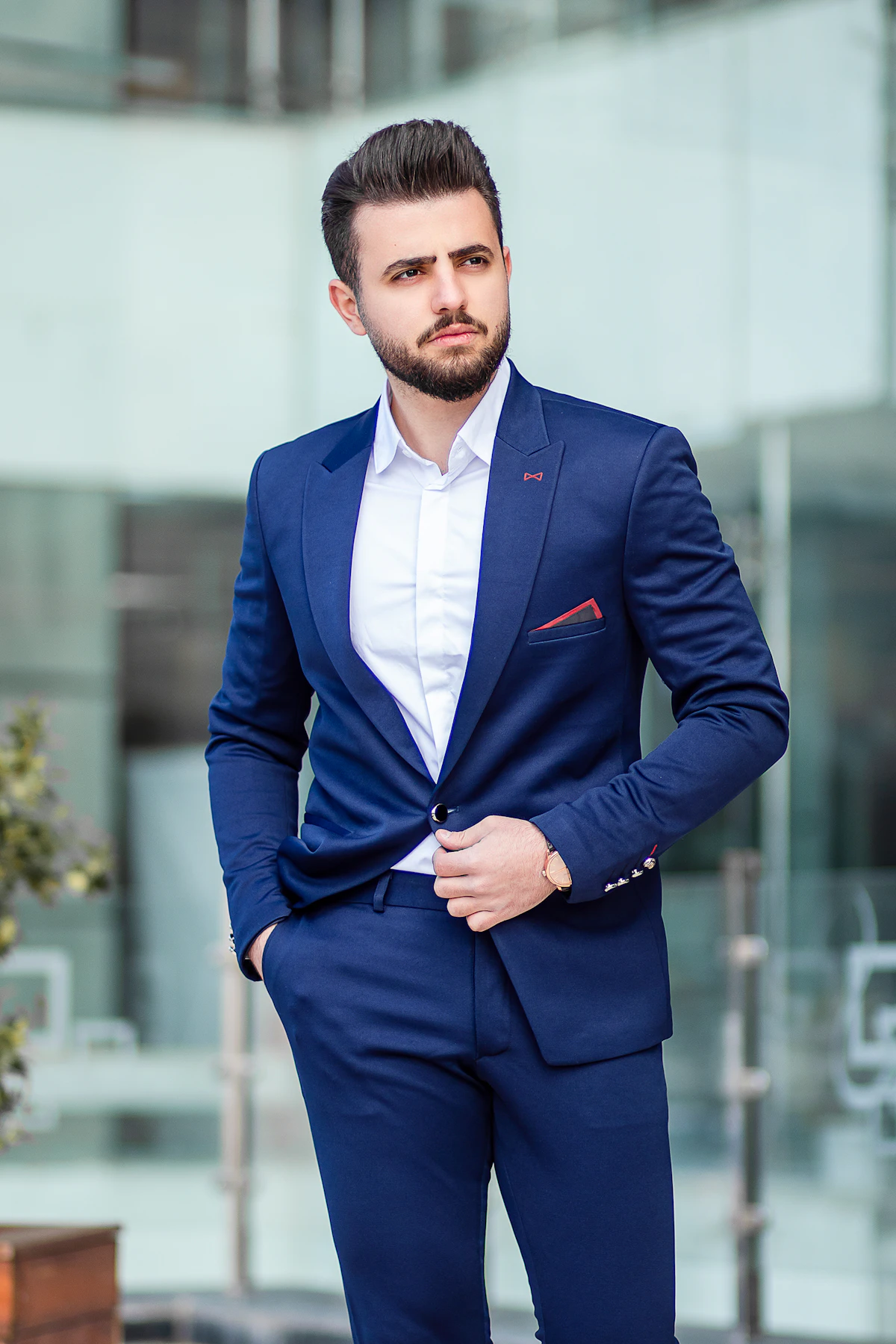
How to Build a Smart Casual Outfit
Decode the most misunderstood dress code in menswear with unstructured blazers, fine-gauge merino knitwear, pleated trousers, and leather loafers.
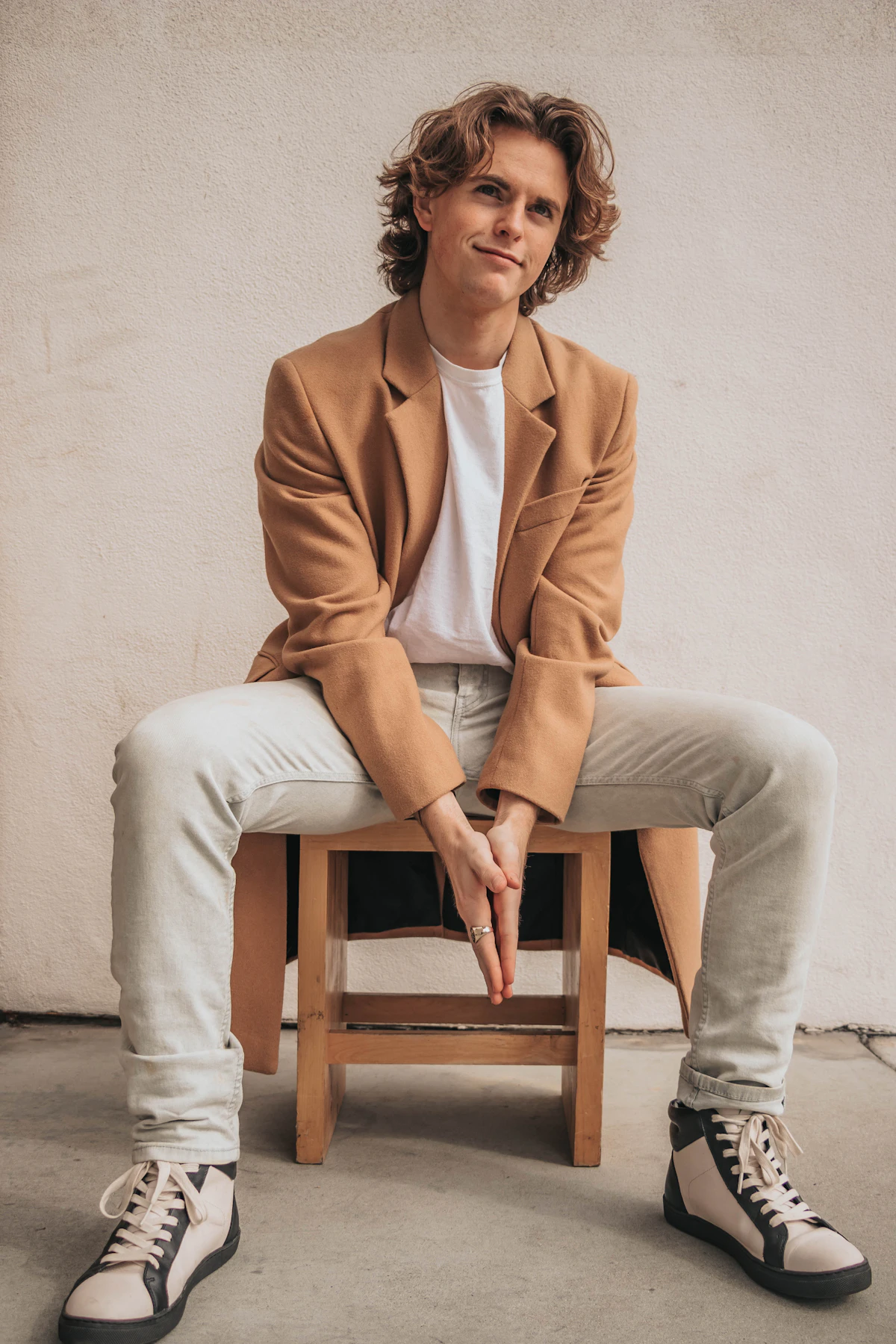
Modern Streetwear Trends for Men
How contemporary menswear blends utilitarian workwear, relaxed wide-leg proportions, technical outerwear, and archival sneaker culture into a mature silhouette.

A Practical Guide to Men's Formal Dressing
Everything you need to know about suit canvas construction, lapel geometry, collar spreads, trouser breaks, and formal dress codes from business suiting to black tie.