How to Choose the Right Handbag for Every Occasion
An architectural guide to leather grains, strap drop lengths, hardware finishes, and silhouettes—from work totes and saddle crossbodies to sculptural evening clutches.

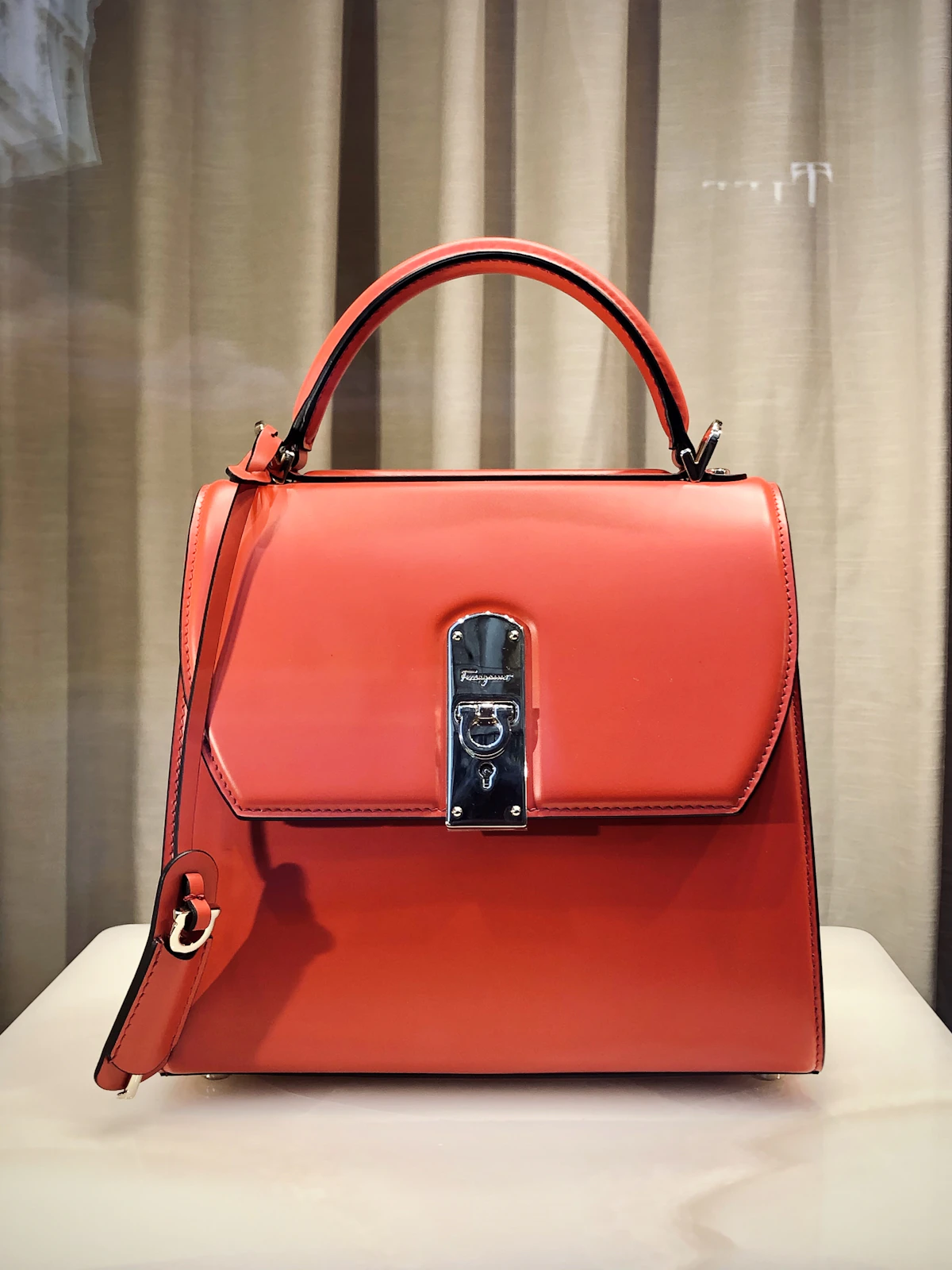
A well-chosen handbag acts as the architectural anchor of an outfit. Long before someone notices the stitch density of a lapel or the weave of a trouser fabric, the eye registers the silhouette, material finish, and proportion of the bag carried alongside it. When a handbag’s structure conflicts with the formality of the clothing—such as an oversized, slouchy canvas shopper paired with sharp evening tailoring, or a delicate satin clutch carried alongside rugged daytime knitwear—the visual harmony of the look fractures immediately.
Approaching handbags through the lens of industrial design rather than passing seasonal novelty transforms how you build a collection. By evaluating leather tannins, gusset construction, strap drop geometry, and hardware weight, you can assemble a tight roster of three to five bags that transition seamlessly across boardrooms, weekend transit, and black-tie dinners.
Understanding Leather Grains and Surface Finishes
The longevity and dress code of any handbag begin with its hide and tanning process. Different finishes react to light, friction, and moisture in distinct ways, dictating both how the bag ages and where it looks most appropriate.
Full-Grain Smooth Calfskin (Box Leather)
Box calfskin features a tight, smooth pore structure buffed to a subtle, glass-like luster. Because it reflects light cleanly, smooth calfskin reads as inherently formal. It holds crisp, geometric folds and sharp gusset corners, making it the premier choice for structured top-handle bags and evening frames. However, smooth leather reveals surface scratches more readily than textured hides, requiring periodic conditioning with a neutral cream polish.
Pebbled and Grained Leathers
Created through mechanical tumbling or embossing during the tanning stage, pebbled leather features raised surface grains that diffuse light and resist abrasions. If a bag is destined for daily commutes, overhead cabin bins, or rainy city pavements, a pebbled or fjord-grain calfskin will conceal wear while maintaining a supple, tactile drape.
Suede, Nubuck, and Patent Finishes
Suede and brushed nubuck absorb light completely, introducing rich textural depth to smooth wool coats, silk dresses, and crisp cotton poplin. Because suede lacks a protective top grain, it thrives in dry autumn and winter settings rather than wet climates. Patent and crinkled vernis leathers sit at the opposite end of the spectrum: their high-gloss finish acts like liquid metal under evening lighting, ideal for compact clutches and mini shoulder bags.
The Five Core Silhouettes and Their Dress Codes
Rather than accumulating dozens of overlapping designs, a functional wardrobe relies on five distinct structural archetypes. You can explore how these silhouettes anchor broader ensembles in our Accessories & Jewellery archive.
| Handbag Archetype | Ideal Strap Drop | Recommended Capacity | Best Leather / Material | Primary Occasion |
|---|---|---|---|---|
| Structured Work Tote | 22 cm – 26 cm | 13”–15” laptop, folio, charger, cosmetics pouch | Pebbled calfskin or Saffiano crosshatch | Office commutes, client meetings, business travel |
| Top-Handle Satchel | 8 cm – 11 cm (plus detachable shoulder strap) | Tablet, compact umbrella, eyewear case, wallet | Smooth box leather or fine grain | Smart-casual lunches, gallery openings, tailored daywear |
| Saddle / Camera Crossbody | 50 cm – 58 cm (adjustable) | Phone, cardholder, keys, lip balm, sunglasses | Vegetable-tanned saddle leather or supple lambskin | Weekend errands, city walking, travel sightseeing |
| Sculptural Shoulder Bag | 18 cm – 23 cm | Phone, compact powder, keys, slim cardholder | Smooth calfskin, suede, or croc-embossed leather | Cocktail hours, dinner reservations, date nights |
| Box Clutch / Minaudière | Handheld or 45 cm fine chain | Phone, single key, lipstick, credit card | Satin, brushed brass, acrylic, or patent leather | Black-tie galas, weddings, formal opera evenings |
Mastering Scale, Proportion, and Strap Drop
Even the finest craftsmanship falls flat if the bag’s dimensions fight the wearer’s frame or the silhouette of their outerwear.
Matching Bag Volume to Garment Silhouette
Apply the rule of inverse volume when pairing bags with outerwear and tailoring:
- Voluminous Coats and Oversized Blazers: When wearing a heavy double-breasted wool overcoat or a wide-shouldered trench, avoid ultra-tiny micro bags that disappear against the fabric bulk. Opt for a medium-to-large structured top-handle bag carried in the crook of the arm or by hand to ground the silhouette. Conversely, make sure shoulder straps have at least a 24 cm drop so the bag does not bunch awkwardly beneath a thick wool armhole.
- Fluid Midi Dresses and Bias-Cut Skirts: Heavy, boxy briefcases overwhelm delicate fabrics. Pair fluid silhouettes with soft, crescent-shaped hobo bags, woven leather pouches, or compact chain-strap crossbodies that move with the body.
- Cropped Jackets and High-Waisted Trousers: A crossbody or shoulder bag should terminate either right at the natural waistline or just below the hip bone. If a chunky bag rests directly over wide-leg trouser pleats, it disrupts the vertical leg line—a principle that mirrors how you choose footwear that complements your outfit.
Evaluating Hardware, Stitching, and Interior Architecture
When inspecting a handbag prior to purchase, examine the structural details that separate enduring leather goods from disposable fast-fashion pieces:
- Edge Paint (Costa) Integrity: Inspect the cut edges of the leather straps and gussets. High-grade bags feature multiple coats of hand-applied, sanded, and heat-sealed edge paint that feels smooth and slightly rounded. Cheap plasticized glazing feels thick and rubbery and will crack or peel within months of flexing at the strap anchors.
- Hardware Weight and Plating: Zippers, D-rings, and turn-locks should feel dense and cold to the touch, indicating solid brass or zamak rather than hollow coated plastic. Test the zipper pull: excised metal teeth (such as Riri or Excella zippers) glide smoothly without catching on the fabric tape.
- Base Gussets and Metal Feet: Any bag intended to hold weight—especially a work tote or weekender—requires a reinforced base board and four to five metal protective studs (pieds de sac) to keep the bottom leather off damp floors and café tables.
- Lining Color and Pocket Layout: Dark black microfiber linings turn a deep tote into a visual abyss. Look for contrasting light-neutral suede, bonded leather, or cotton canvas linings with a dedicated zippered security pocket and a central divider that prevents a laptop from crushing smaller items.
Coordinating Hardware with Your Everyday Jewellery
A common styling dilemma involves matching handbag clasps and chain straps to your daily accessories. While strict uniformity was once the rule, contemporary editorial styling embraces intentional contrast. If your bag features prominent brushed gold turn-locks or a heavy curb chain, echo that warm tone in at least one piece of jewellery—such as a pair of sculptural hoops or a signet ring—or follow our jewellery styling tips for everyday outfits to bridge gold and silver accents effortlessly. You can also tie a handbag’s color palette into the rest of your look by coordinating leather tones with accessories that can transform a simple outfit, such as a full-grain waist belt or watch strap.
Conclusion
Choosing the right handbag for every occasion is never about chasing the loudest logo in the room. It is an exercise in material literacy and functional proportion. By investing in full-grain or resilient pebbled leathers, respecting the balance between strap length and garment volume, and selecting silhouettes engineered for your actual daily carry, your handbag collection becomes the most dependable foundation of your personal style.
Tanisha
Tanisha is the Senior Fashion & Beauty Editor at The Fashion Edit. With over eight years of experience in fashion journalism, runway critique, and textile curation, she specializes in translating directional couture concepts into wearable everyday silhouettes. Her coverage spans women’s wardrobe architecture, modern Indian and global ethnic craftsmanship, dermatology-informed skincare routines, and fine jewellery styling.
Related Fashion Stories
Sunglasses Styles for Different Face Shapes
Balance facial geometry with the right eyewear silhouette—comparing acetate thickness, bridge keyholes, lens tints, and UV400 optical standards.
Jewellery Styling Tips for Everyday Outfits
How to layer necklaces by chain weight, balance hoop proportions with collarlines, stack rings without clutter, and mix gold and silver tones intentionally.
Accessories That Can Transform a Simple Outfit
How full-grain leather belts, printed silk twill scarves, structured wool hats, and statement hardware elevate a plain white tee and trousers into an editorial look.