Haircare Habits for Better Hair Maintenance
Protect hair tensile strength and natural shine through scalp exfoliation, porosity-matched conditioning, microfiber drying, and heat-free styling habits.

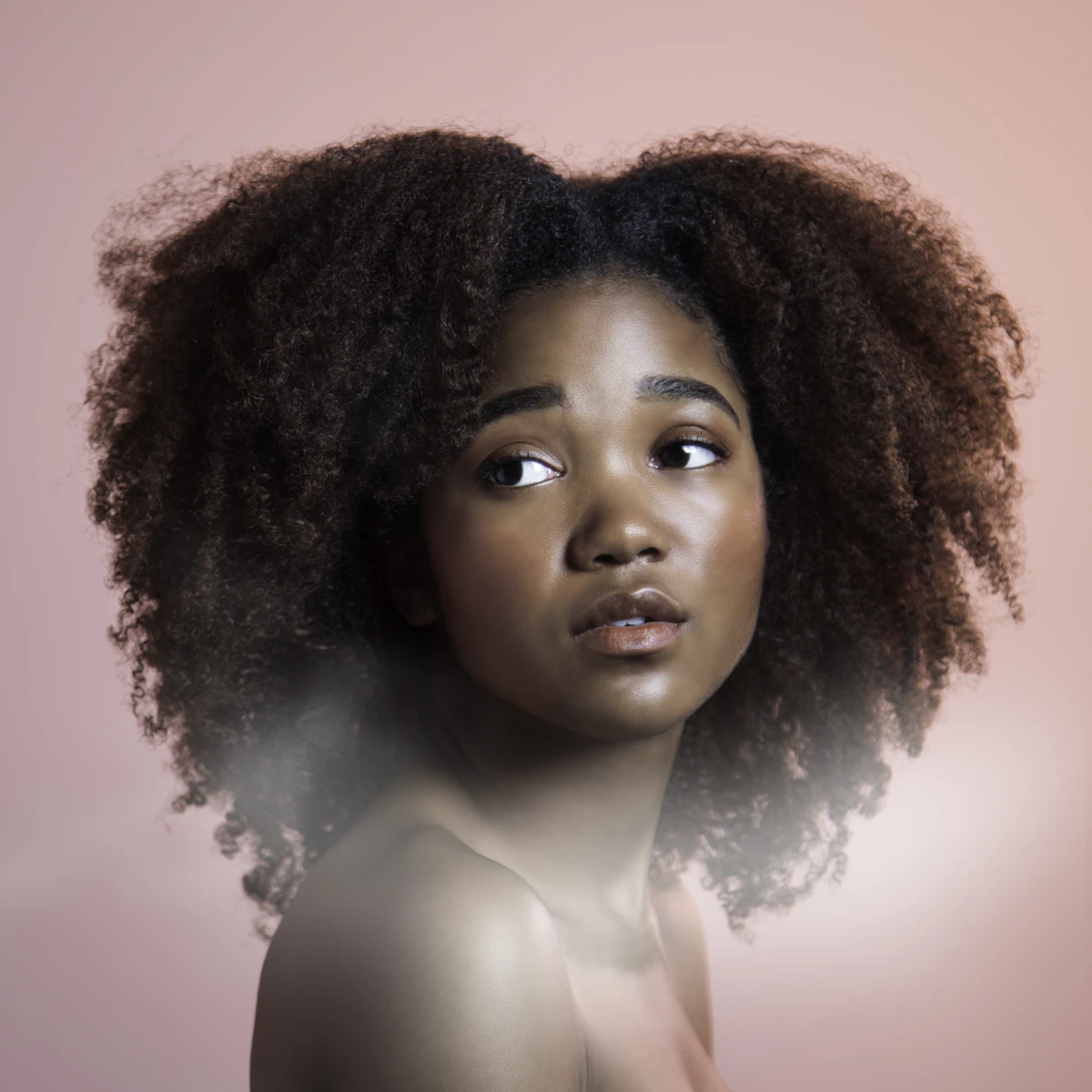
We often treat haircare as an exercise in crisis management—reaching for heavy silicone serums and expensive bond-building masks only after split ends, dullness, and mechanical breakage have already taken hold. Yet because the visible hair shaft is biologically non-living keratin protein, once its outer cuticle shingles are chipped away by excessive heat or rough brushing, they cannot permanently regenerate on their own.
In our beauty and makeup philosophy, glossy, resilient hair is the product of low-friction daily maintenance and proactive scalp care. Just as a simple skincare routine for healthy-looking skin prioritizes the facial lipid barrier, great haircare starts at the follicle and protects the cuticle through every wash, detangle, and sleep cycle.
Scalp Care Is the Foundation of Hair Density and Shine
The scalp is an extension of facial skin, yet it features a higher density of sebaceous glands and hair follicles that trap oxidized sebum, sweat, dry shampoo residue, and environmental pollutants. When follicles remain congested, emerging strands grow in weaker and roots appear flat and lifeless within hours of washing.
How to Cleanse Your Scalp Effectively
- Emulsify Shampoo in Your Palms First: Rather than squeezing a concentrated glob of shampoo directly onto the crown of your head, rub it between wet palms with a splash of water to activate a gentle foam before massaging it directly onto the scalp skin—not the hair lengths.
- Focus on the Occipital Bone and Nape: Most people scrub the top and hairline while neglecting the dense, warm area at the back of the skull just above the neck, where oil and product buildup accumulate heaviest.
- Incorporate Monthly Clarification: Once every two to three weeks, use a gentle chelating or salicylic acid scalp scrub/shampoo to dissolve hard-water mineral deposits (calcium and magnesium) and silicone buildup that dull natural light reflection.
Understanding Hair Porosity and Moisture Balance
Before purchasing conditioners or leave-in oils, determine your hair’s porosity—its ability to absorb and retain moisture through the outer cuticle layer.
- Low Porosity Hair: Cuticle scales lie flat and tightly overlapping. Water beads up on the surface, hair takes a long time to get fully wet in the shower, and heavy butters sit on top of the strands looking greasy. Solution: Use lightweight, water-based milks and apply conditioner with warm steam to help hydration penetrate.
- Medium (Normal) Porosity Hair: Cuticles are slightly raised, allowing moisture to enter and stay balanced with minimal frizz. Solution: Maintain equilibrium with balanced amino-acid conditioners and lightweight botanical oils on the ends.
- High Porosity Hair: Often caused by bleach, hair dye, chemical relaxers, or frequent flat-ironing, the cuticle has gaps and tears. Hair absorbs water instantly in the shower and dries quickly, but loses moisture just as fast, leading to frizz and tangling. Solution: Layer hydrolyzed proteins, bond-repair treatments, and richer lipid masks to seal the cuticle.
Customized Wash and Care Schedule by Hair Texture
How often you wash should be dictated by your scalp’s sebum output and the curvature of your hair shaft (straight hair allows oil to travel down the strand rapidly, whereas curls slow oil migration):
| Hair Type & Texture | Optimal Wash Frequency | Ideal Shampoo & Conditioner Pairing | Detangling Method | Weekly Treatment |
|---|---|---|---|---|
| Fine & Straight (Type 1) | Every 1–2 days | Volumizing sulfate-free gel shampoo; weightless rinse-out conditioner on ends only | Detangle dry before showering with a flexible boar/nylon brush | Lightweight scalp clarifying rinse |
| Wavy & Medium-Thick (Type 2) | Every 2–3 days | Balancing amino-acid shampoo; hydrating silicone-free conditioner | Wide-tooth comb in the shower while coated in conditioner | Mid-weight argan or jojoba moisture mask |
| Curly (Type 3) | Every 3–5 days | Moisturizing cream cleanser; rich slip-enhancing conditioner + leave-in cream | Finger-detangle or wide-tooth comb soaking wet with conditioner | Deep conditioning lipid & protein mask |
| Coily / Textured (Type 4) | Every 5–7+ days | Co-wash or ultra-gentle moisturizing shampoo; rich butter/ceramide mask | Sectioned detangling from tips to roots while saturated with slip | Pre-shampoo oil treatment + steam deep conditioning |
Mechanical Protection: When Wet Hair Is Most Vulnerable
When hair is saturated with water, its internal hydrogen bonds temporarily break, allowing the cortex to stretch by up to 30 percent—and snap if pulled roughly. How you handle your hair during the twenty minutes after stepping out of the shower determines how many split ends you see six months later.
Ditch the Terrycloth Bath Towel
Roughly rubbing wet hair with a heavy cotton terrycloth towel lifts the cuticle scales, creates instant frizz, and snaps fragile hairline strands. Instead, gently squeeze excess water out in a downward motion using a smooth microfiber hair wrap or a soft 100% jersey cotton T-shirt.
Detangle from the Bottom Up
Never rake a brush straight from the crown to the ends in one forceful stroke. Divide damp hair into two to four sections, spray a lightweight detangling mist containing panthenol or amodimethicone for slip, and work a wide-tooth comb through the bottom two inches first. Once the tips glide freely, move up to the mid-lengths, and finally comb from the roots down.
Heat Styling Rules and Overnight Preservation
If you blow-dry, curl, or straighten your hair, always apply a dedicated heat protectant spray or cream before introducing thermal tools, and keep flat irons and curling wands capped at or below 365°F (185°C)—temperatures above 400°F permanently degrade keratin proteins and scorch color pigment. Let your hair air-dry to 70 or 80 percent before picking up a blow-dryer to cut thermal exposure in half.
Finally, protect your lengths while you sleep. Tossing and turning on a coarse cotton pillowcase creates eight hours of friction every night. Sleeping on a mulberry silk or satin pillowcase—with your hair secured in a loose, high pineapple bun using a silk scrunchie or twisted into a gentle braid—preserves your blowout, prevents tangles at the nape of the neck, and complements the holistic self-care habits we explore in beauty trends worth knowing about.
Tanisha
Tanisha is the Senior Fashion & Beauty Editor at The Fashion Edit. With over eight years of experience in fashion journalism, runway critique, and textile curation, she specializes in translating directional couture concepts into wearable everyday silhouettes. Her coverage spans women’s wardrobe architecture, modern Indian and global ethnic craftsmanship, dermatology-informed skincare routines, and fine jewellery styling.
Related Fashion Stories
A Simple Skincare Routine for Healthy-Looking Skin
Cut through ingredient fatigue with a barrier-respecting four-step morning and evening skincare framework focused on gentle cleansing, hydration, and photoprotection.
Everyday Makeup Looks That Never Go Out of Style
Five enduring makeup signatures—from luminous skin and brushed-up brows to soft terracotta monochromes and classic satin lips—that flatter across decades.
Makeup Essentials Every Beginner Should Know
How to assemble a streamlined, high-performing beginner makeup kit with undertone-matched complexion staples, multi-use cream sticks, and three core brushes.