How to Choose Clothes That Suit Your Personal Style
Using the Rule of Thirds, shoulder-seam alignment, fabric drape, and undertone harmony to select garments that feel natural and flattering from day one.

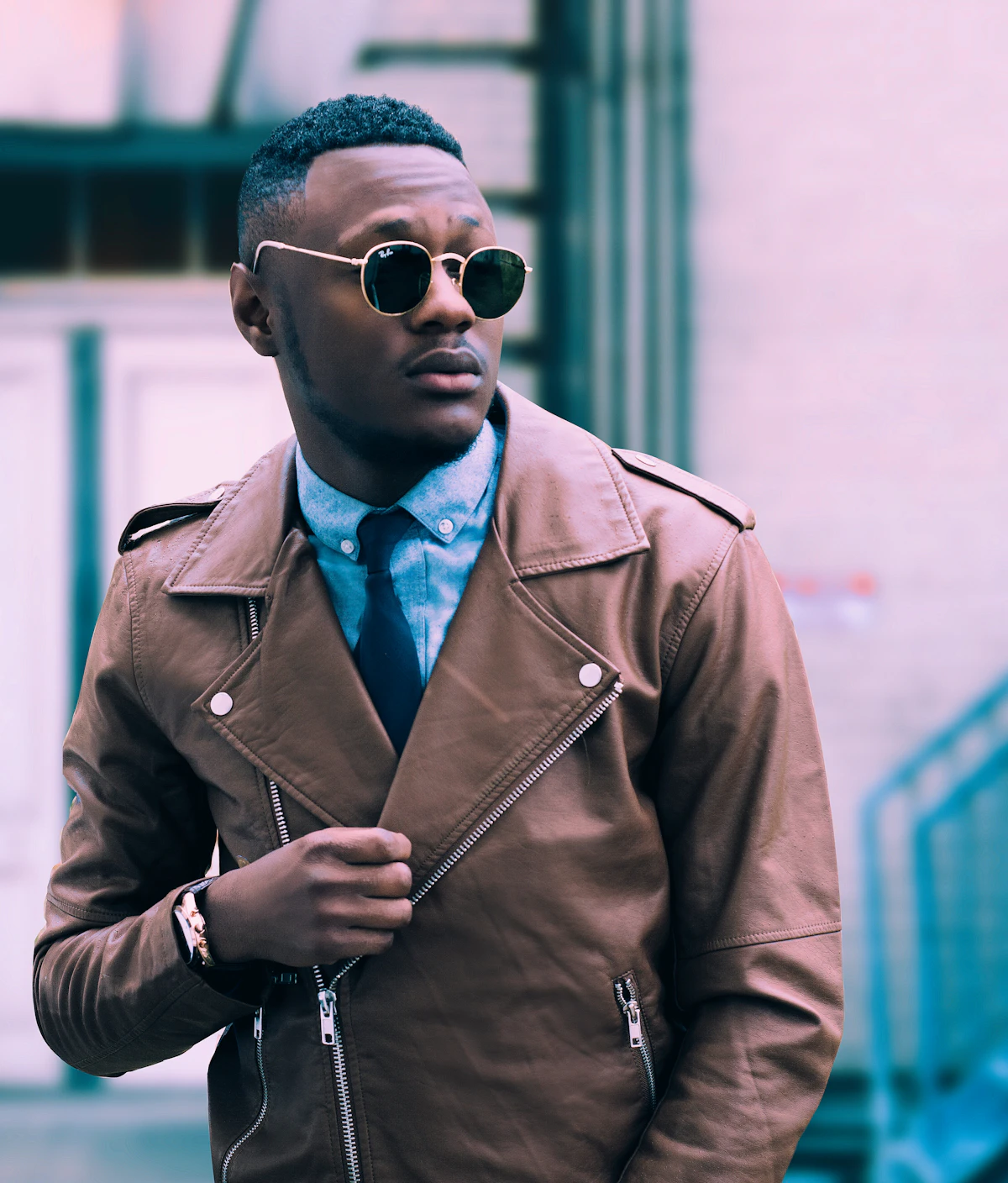
Have you ever admired a garment on a wooden boutique hanger or an editorial lookbook, tried it on in the fitting room, and felt an immediate, hard-to-articulate sense that something was “off”? Often, the garment itself is beautifully made and the size on the label is technically correct, yet the piece seems to wear you rather than the other way around. When a piece of clothing feels awkward on the body, the culprit is almost always a mismatch in visual proportion, fabric weight, or color temperature.
Learning how to choose clothes that suit your personal style has nothing to do with outdated, prescriptive rules designed to hide your body or force every human frame into a single idealized silhouette. Instead, great styling is an exercise in architecture and harmony. When you understand how horizontal lines divide the body, how different weaves drape over curves and angles, and how undertones illuminate your complexion, you can walk into any store—or browse any collection while shopping for fashion online—and spot your winners from across the room.
1. Master the Golden Ratio of Dressing: The Rule of Thirds
In visual art, photography, and classical architecture, compositions divided cleanly in half (a 1:1 ratio) appear static, boxy, and shorter than they actually are. Conversely, compositions divided into one-third to two-thirds (a 1:2 ratio) create dynamic visual flow and vertical height. The exact same geometry applies the moment you put on a top and a pair of trousers.
Breaking the 50/50 Visual Split
When you wear an untucked hip-length sweater or shirt that ends right at the middle of your hip over standard-rise trousers, you slice your vertical frame into two equal halves. To restore the Rule of Thirds, adjust where the horizontal break occurs:
- The 1/3 Top to 2/3 Bottom Ratio: Combine a cropped jacket, a Boxy knit that hits at the natural waist, or a full/French-tucked shirt (1/3 of your vertical line) with high-waisted pleated trousers or a maxi skirt that flows uninterrupted to the shoe (2/3 of your vertical line). This is the most universally elongating proportion in fashion.
- The 2/3 Top to 1/3 Bottom Ratio: Layer a longline tunic, an oversized knee-length coat, or an elongated blazer (2/3 of your vertical line) over slim trousers, tailored shorts, or a skirt where a smaller proportion of the lower leg is visible below the hem (1/3).
2. Balance Volume: Structural Counterpoint
Modern fashion celebrates relaxed, oversized silhouettes, yet wearing oversized pieces on both the top and bottom without a point of definition can easily swallow your frame. Before leaving the fitting room, evaluate the volume equation of the garment against the rest of your outfit:
| Silhouette Pairing | Visual Effect | How to Anchor the Look |
|---|---|---|
| Fitted Top + Voluminous Bottom | Clean, statuesque, and elongating (e.g., ribbed tank or fine turtleneck + wide-leg wool trousers) | Add a leather belt to highlight the waist transition and let the trouser puddle slightly over the shoe |
| Voluminous Top + Slim/Straight Bottom | Effortless, editorial, and relaxed (e.g., oversized poplin shirt or chunky knit + straight-leg cigarette trousers) | Roll the sleeves to expose the forearms/wrists and wear sleek, low-profile footwear |
| Relaxed Top + Relaxed Bottom | Directional and modern, but requires an intentional focal point to avoid looking sloppy | Use a “French tuck” at the front waist, unbutton the collar to show the collarbone, or cinch with a structured coat |
3. The Three Non-Negotiable Fit Checkpoints
While a skilled tailor can easily shorten a trouser hem or taper a waist—as we noted in budget-friendly fashion finds worth considering—certain structural areas of a garment are prohibitively expensive or impossible to reconstruct. Check these three zones first:
The Shoulder Seam and Armhole (Scye)
On a classic set-in sleeve blazer, shirt, or coat, the seam where the sleeve meets the shoulder yoke should sit directly on the outer edge of your acromion bone. If it pulls inward, the sleeves will develop diagonal drag lines; if it droops past your shoulder bone (unless intentionally designed as a dropped-shoulder casual cut), the collar will gap away from your neck. Equally important, check that the armhole is high enough that lifting your arms does not drag the entire torso of the jacket upward.
The Rise and Seat of Trousers
When trying on trousers or jeans, pay attention to how the fabric behaves below the waistband in both front and back. Horizontal “whisker” lines pulling across the front hip mean the front rise or hip measurement is too narrow. Excess fabric bagging beneath the seat means the back rise is cut too long for your pelvis.
Fabric Drape vs. Fabric Stiffness
Match the intrinsic physics of the textile to the silhouette you want to project:
- Fluid fabrics (silk crepe, Tencel lyocell, high-twist tropical wool, fine merino jersey) skim gently over the body and create soft vertical movement.
- Structured fabrics (heavyweight raw denim, cotton gabardine, boiled wool, crisp poplin) stand away from the body and create their own architectural lines.
4. Harmonize With Your Natural Undertone and Contrast Level
Even an impeccably tailored shirt will sit unworn in your closet if its color makes you look tired in the mirror. Rather than memorizing rigid seasonal color charts, look at two simple variables in natural daylight:
- Undertone Temperature (Warm vs. Cool vs. Neutral): Hold a stark optic white shirt and a warm cream/ecru shirt underneath your chin in front of a window. If optic white makes your skin look vibrant and clear while cream looks sallow, lean toward cool neutrals (charcoal, navy, icy grey, black). If optic white feels harsh and clinical while ecru makes your skin glow, build your wardrobe around warm earth neutrals (espresso, camel, olive, oatmeal).
- Personal Contrast Level: Notice the natural difference in value between your hair, eyes, and skin tone. High-contrast individuals (e.g., dark hair with fair skin, or rich deep skin paired with bright whites) look striking in high-contrast outfits (such as a black blazer over a crisp white shirt). Low-to-medium contrast individuals look most harmonious in tonal, blended outfits—a core strength of our minimalist wardrobe guide.
Conclusion: Trust the Mirror, Not the Hangtag
Choosing clothes that suit your personal style within Shopping & Style Guides is ultimately about listening to both your eyes and your physical comfort. Combine these proportion and fit rules with the self-discovery exercises in how to develop your own personal fashion style, and you will never again waste closet space on a garment that only looked good on the hanger.
Shivam
Shivam is the Menswear, Footwear & Style Contributor at The Fashion Edit. Blending a sharp eye for classic sartorial tailoring with deep roots in global sneaker and streetwear culture, he writes practical, no-nonsense guides on building resilient wardrobes, evaluating garment construction, and navigating online and archival fashion retail without overspending.
Related Fashion Stories
How to Build a Capsule Wardrobe
A complete 30-piece modular wardrobe blueprint that generates over 75 distinct outfits across work, weekend, and evening occasions.
How to Shop Smart Without Overspending
Master the cost-per-wear equation, seam-and-fabric inspection checklists, and wishlist cooling periods to build a luxury-grade wardrobe on a realistic budget.
Budget-Friendly Fashion Finds Worth Considering
Which garment categories deliver exceptional quality at accessible price points—and how small tailoring tweaks make affordable pieces look bespoke.