How to Create a Minimalist Wardrobe
Why true minimalism is never boring: combining tonal depth, contrasting surface textures, and architectural proportions to dress effortlessly with fewer pieces.

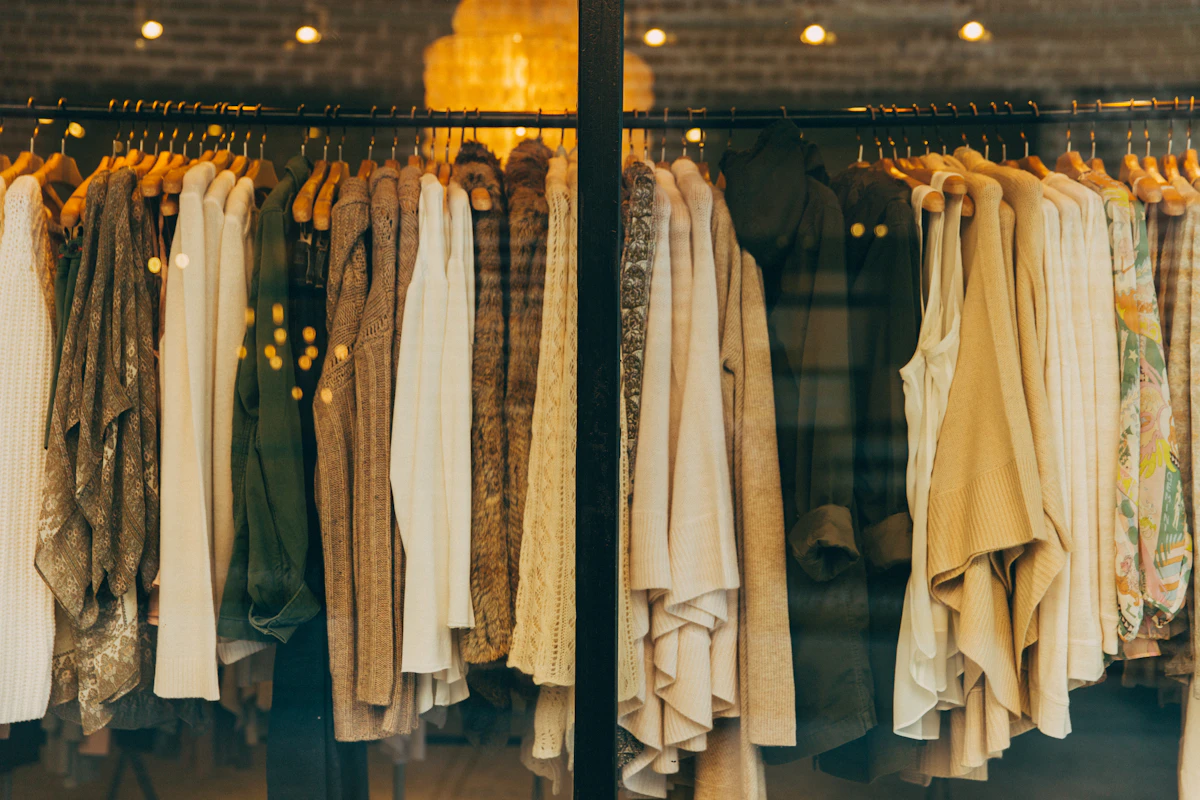
There is a persistent misconception that a minimalist wardrobe must look sterile—an endless, joyless uniform of identical black turtlenecks and stiff beige chinos that erases all individuality. In reality, the greatest masters of minimalist design—from 1990s runway visionaries like Jil Sander and Helmut Lang to contemporary architectural labels—have always understood that when you strip away loud logos, busy prints, and unnecessary hardware, the remaining elements become more expressive, not less.
When an outfit is no longer relying on novelty graphics to command attention, the eye is drawn immediately to the curve of a lapel, the puddle of a wide-leg trouser over a leather loafer, and the interplay between matte boiled wool and luminous silk habotai. Creating a minimalist wardrobe is not an exercise in deprivation; it is an exercise in curation. By removing the visual clutter of garments that only fit half-well or match only one specific item, you create breathing room in both your closet and your morning routine.
The Three Pillars of Rich Minimalism
Before pulling a single hanger out of your closet, it is essential to understand what makes a pared-back outfit look intentional rather than plain. Every compelling minimalist look relies on three foundational design principles: textural friction, architectural proportion, and tonal nuance.
1. Textural Friction: The Secret to Monochrome Depth
If you wear head-to-toe black or head-to-toe cream in the exact same flat cotton jersey fabric, the outfit will read like loungewear or a uniform. However, if you combine three or four distinct surface textures within that same color family, the look immediately gains three-dimensional richness. Because each weave absorbs and reflects light differently, a monochromatic outfit becomes visually dynamic:
- Matte and rugged: Brushed Shetland wool, heavy raw denim, suede, washed Irish linen, and chunky ribbed cashmere.
- Crisp and structured: High-twist wool gabardine, mercerized cotton poplin, dry Japanese nylon, and stiff selvedge twill.
- Luminous and fluid: Silk charmeuse, fine merino knitwear, polished box calfskin leather, and Tencel lyocell.
Aim to include at least three distinct textures in every cold-weather outfit and two in every warm-weather pairing. For example, an espresso-brown outfit composed of a fuzzy mohair knit, fluid wool-crepe trousers, and smooth cordovan leather boots needs zero print or jewelry to command a room.
2. Architectural Proportion and Silhouette
Minimalist dressing shifts the focus from surface decoration to geometry. Instead of asking “Is this pattern interesting?”, ask “Where does this garment create volume, and where does it create structure?” A great minimalist wardrobe balances fitted anchors (such as a fine-gauge ribbed turtleneck or a tailored waist) against relaxed, sweeping silhouettes (such as an oversized double-breasted maxi coat or pleated wide-leg trousers). For a deeper dive into how hem lengths and waistlines interact, read our guide on how to choose clothes that suit your personal style.
Step-by-Step: The Minimalist Wardrobe Edit
Transitioning to a streamlined closet does not happen through a reckless weekend purge that leaves you scrambling to buy replacements on Monday. Instead, use a structured, three-tier sorting method that protects your lifestyle needs while eliminating decision fatigue.
| Audit Tier | Criteria for Inclusion | Immediate Action |
|---|---|---|
| Tier 1: The Core Anchors | Fits impeccably today; aligns with your daily climate and lifestyle; pairs effortlessly with at least 3 other items | Return immediately to prime eye-level space on matching wooden or slim velvet hangers |
| Tier 2: The “Maybe / Seasonal” Box | Sentimental pieces, slightly tight/loose tailoring candidates, or duplicate items you rarely reach for | Pack into a sealed storage bin dated for 90 days; if you never retrieve an item, donate or resell it |
| Tier 3: The Immediate Exit | Scratches your skin, requires constant readjusting while walking, damaged beyond repair, or bought for a past version of your life | Separate into three piles: tailor/mend this week, consign/resell, or donate to textile recycling |
Designing Your Cohesive 3-3-2 Color Architecture
A minimalist wardrobe functions like a modular puzzle only when its color palette is disciplined. You do not need to restrict yourself to black, white, and grey—in fact, many people look washed out in stark black and white. Instead, build a 3-3-2 Color Architecture tailored to your natural skin and hair undertones:
Three Base Neutrals (60% of Your Wardrobe)
These form the backbone of your coats, blazers, trousers, skirts, and footwear. Choose two dark neutrals and one light neutral that harmonize with one another without clashing:
- Cool-toned example: Charcoal grey, deep navy, and crisp optic white.
- Warm-toned example: Bitter chocolate brown, olive drab, and warm ecru/oatmeal.
Three Mid-Tone Bridge Shades (25% of Your Wardrobe)
These shades populate your knitwear, shirting, and everyday tops, softening the contrast between dark and light anchors:
- Examples include heather grey, camel, dusty slate blue, taupe, or faded indigo denim.
Two Rich Accent Tones (15% of Your Wardrobe)
Minimalism welcomes color when it is deployed with restraint. Choose two sophisticated accent shades—such as deep oxblood/plum, forest green, burnt rust, or butter yellow—for scarves, a single statement knit, or leather goods. Because every base neutral in your closet already harmonizes with these two accents, you will never stand in front of the mirror wondering why a colorful top feels disconnected from your trousers. If you want an exact item-by-item checklist for putting this palette into action, pair this strategy with our 30-piece capsule wardrobe blueprint.
Maintaining the Minimalist Mindset
Once you have pared your closet down to pieces you genuinely love wearing, the final challenge within Fashion Lifestyle is keeping visual clutter from creeping back in. Adopt the “One In, One Out” rule for every garment category: if a new heavyweight white T-shirt enters your drawer, the oldest, most worn white tee rotates down to sleepwear or textile recycling. Combine this discipline with mindful garment care from our sustainable wardrobe guide, and your closet will remain calm, cohesive, and effortlessly stylish year after year.
Tanisha
Tanisha is the Senior Fashion & Beauty Editor at The Fashion Edit. With over eight years of experience in fashion journalism, runway critique, and textile curation, she specializes in translating directional couture concepts into wearable everyday silhouettes. Her coverage spans women’s wardrobe architecture, modern Indian and global ethnic craftsmanship, dermatology-informed skincare routines, and fine jewellery styling.
Related Fashion Stories

How to Develop Your Own Personal Fashion Style
Step off the trend treadmill by defining your three style words, analyzing your lifestyle time-split, and identifying the silhouettes you reach for instinctively.
Sustainable Fashion: Building a More Responsible Wardrobe
Move beyond greenwashing with a practical framework for fiber literacy, low-impact laundering, visible mending, and extending the active lifecycle of every garment.

How Fashion Influencers Are Changing Personal Style
Examining the shift from fast-moving micro-aesthetics to archival curation, transparent wardrobe cost-per-wear diaries, and subcultural digital style communities.